
The psychological toll of gambling understanding its hidden effects
The allure of gambling and its impact on mental health
Gambling often carries a seductive allure, drawing individuals with the promise of excitement and financial gain. However, this thrill can mask profound psychological consequences. For many, the initial experience of gambling may be euphoric, driven by the adrenaline rush associated with risk-taking. This sense of exhilaration can lead to a cycle of repeated engagement, as individuals chase the high of their first win, potentially overlooking the mental strain this behavior can impose over time. Furthermore, some of the best casinos not on gamstop provide a unique blend of thrill and flexibility, adding to the complexities of gambling experiences.

The excitement of gambling can quickly morph into anxiety and stress as players become engulfed in a cycle of betting. The psychological impact of losing can be significant, leading to feelings of shame, guilt, and despair. As gambling habits deepen, these emotions can manifest into more severe mental health issues, including depression and anxiety disorders. Understanding this hidden psychological toll is crucial for both gamblers and their loved ones.
The effects of gambling addiction
Gambling addiction is a serious mental health condition that can affect anyone, regardless of age or background. As individuals become increasingly reliant on gambling to cope with life’s challenges, they often find themselves neglecting responsibilities and relationships. This dependency can create a ripple effect, causing stress not only for the individual but also for family and friends who may struggle to understand or support their loved one’s behavior.
The isolation that can accompany gambling addiction often exacerbates feelings of loneliness and despair. Many individuals may feel trapped in a cycle of secrecy, fearing judgment from others. This isolation can lead to a decline in overall mental well-being, as individuals distance themselves from their support systems. Awareness and recognition of these effects are essential steps toward healing and recovery.
Coping mechanisms and their effectiveness
Recognizing the psychological toll of gambling is the first step toward finding effective coping mechanisms. Various approaches can aid individuals in managing their gambling behaviors and addressing the underlying mental health issues. Cognitive-behavioral therapy has proven to be an effective treatment, helping individuals understand the thoughts and patterns that lead to compulsive gambling. This therapeutic approach equips individuals with tools to challenge their harmful behaviors and develop healthier coping strategies.
Support groups, such as Gamblers Anonymous, also play a pivotal role in recovery. These groups provide a safe space for individuals to share their experiences and struggles, fostering a sense of community and understanding. Engaging with others who face similar challenges can significantly alleviate feelings of isolation, making it easier for individuals to confront their addiction and seek healthier paths forward.
The role of environment and culture in gambling behaviors
The environment in which individuals engage in gambling plays a significant role in shaping their behaviors and attitudes. Cultural perceptions surrounding gambling can influence how people view the activity, often glamorized in media and society. This portrayal can lead to a normalization of gambling, making it seem like a harmless pastime, even when it poses risks to mental health.
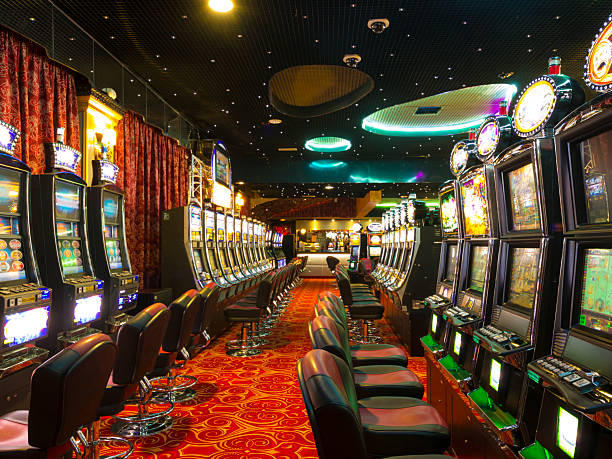
Moreover, environments that promote gambling, such as casinos, can exacerbate addictive behaviors. The sensory stimulation, including bright lights and sounds, can create an immersive experience that is difficult for individuals to resist. Understanding the cultural and environmental factors that contribute to gambling behaviors is essential for fostering awareness and promoting healthier attitudes toward gambling.
Exploring safe gambling options
As the landscape of gambling evolves, many players seek options that allow them to enjoy the thrill while mitigating risks to their mental health. Non GamStop casinos offer an alternative for individuals looking to engage in gambling without the restrictions that may exacerbate their behaviors. These platforms provide flexible options, diverse game selections, and the potential for responsible play.
By offering transparency and supportive resources, these casinos strive to create a healthier gambling environment. They empower players to make informed choices, encouraging responsible gambling practices that prioritize mental well-being. Exploring these options can help individuals enjoy the excitement of gaming while remaining mindful of their psychological health, ultimately leading to a more balanced approach to gambling.